Leather harnesses for animals, such as dogs and horses, are designed with careful attention to comfort, durability, and functionality. Here’s a breakdown of the design considerations and processes that ensure these qualities:
1. Material Selection
- High-Quality Leather:
- Premium full-grain or top-grain leather is used for strength, flexibility, and durability.
- Vegetable-tanned leather is preferred as it’s non-toxic and eco-friendly, making it safe for animals.
- Soft Linings:
- Harnesses feature linings made of neoprene, fleece, or padded leather to avoid chafing and irritation.
- Linings provide extra cushioning, especially for pressure-prone areas like the chest and shoulders.
2. Ergonomic Design
- Body Conformation Fit:
- Harnesses are designed to fit an animal’s natural contours, distributing pressure evenly across the chest and shoulders rather than the neck.
- Adjustable Straps:
- Buckles, sliders, or Velcro straps allow for customized adjustments to ensure a snug yet comfortable fit.
- Prevents slipping or movement while accommodating growth or varying body sizes.
- Wide, Padded Straps:
- Wider leather straps prevent pressure points and discomfort, especially for animals involved in pulling or long walks.
3. Reinforced Stitching and Hardware
- Double Stitching:
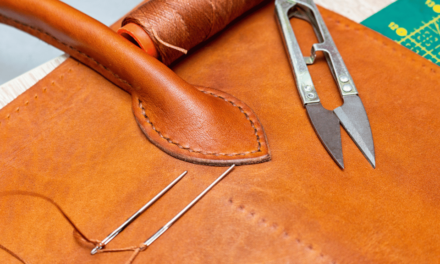
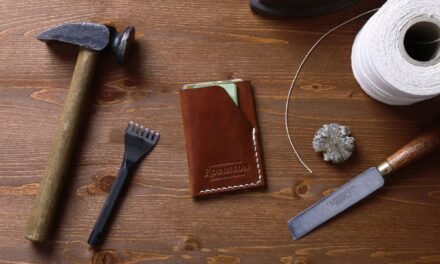
- High-tensile, industrial-grade thread is used to stitch seams, ensuring longevity and resilience under tension.
- Strong Hardware:
- Rust-resistant metal buckles, D-rings, and clips (stainless steel or brass) are securely attached to withstand pulling forces.
- Quick-release buckles or snap closures make it easy to put on or remove the harness.
4. Pressure Distribution
- Harnesses are designed to distribute pulling forces across the chest and back, reducing strain on the neck.
- Special designs like Y-shaped harnesses (for dogs) or breastplate-style harnesses (for horses) ensure pressure is not concentrated in one spot.
5. Durability Features
- Leather Treatment:
- Leather is treated with water-resistant and weatherproof coatings to withstand rain, mud, and heavy use.
- Conditioned with oils or waxes to maintain flexibility and prevent cracking.
- Reinforced Stress Points:
- Stress-prone areas, such as strap junctions or attachment points, are reinforced with additional layers of leather or rivets for extra strength.
6. Comfort Enhancements
- Padded Chest and Back Plates:
- These prevent rubbing and absorb pressure during high activity (e.g., running, training, or pulling).
- Smooth Edges:
- Leather edges are rounded and smoothened to prevent digging into the skin or causing abrasions.
7. Purpose-Specific Designs
- Walking Harnesses: Lightweight, flexible, and padded for everyday use.
- Training Harnesses: Include control handles or additional leash attachment points for better control.
- Working Harnesses: Heavy-duty designs for service animals, sled-pulling dogs, or draft horses with reinforced materials and broader chest plates.
- Anti-Pull Harnesses: Redirect pulling pressure to discourage pulling behavior without hurting the animal.
8. Testing and Safety Checks
- Harnesses undergo tension tests to ensure they can endure pulling forces.
- Safety checks ensure no rough edges, protruding hardware, or loose fittings that could cause injury.