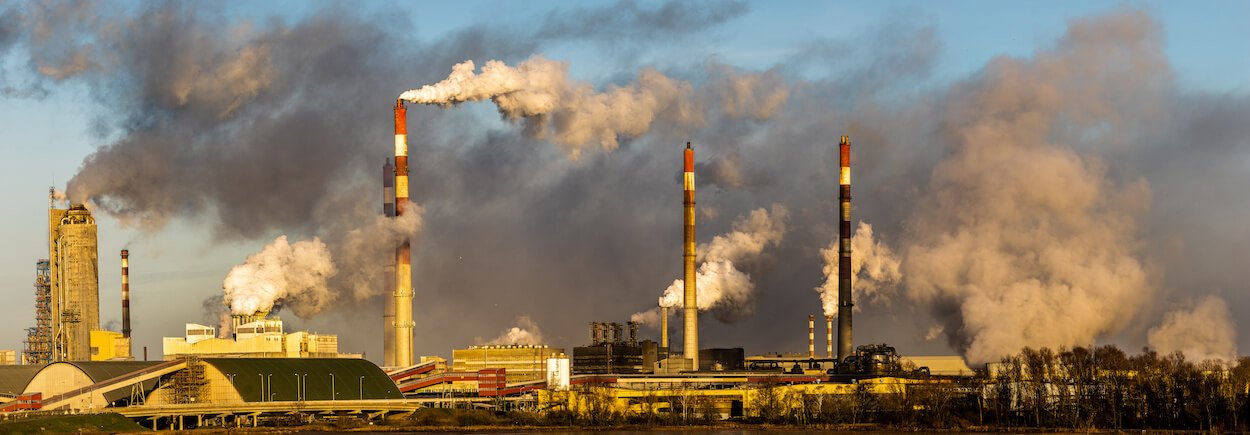
The MLFAC Industrial Park, like any large industrial development, has the potential for several environmental impacts:
- Pollution:
- Air Pollution: Emissions from industrial processes, vehicles, and energy generation can contribute to air pollution, potentially impacting air quality in the surrounding area.
- Water Pollution: Discharge of untreated wastewater from industrial units can contaminate nearby water bodies, affecting aquatic life and potentially impacting groundwater resources.
- Solid Waste: The park will generate significant amounts of solid waste, including industrial waste, construction debris, and municipal waste. Improper disposal can lead to pollution and environmental degradation.
- Resource Depletion:
- Water Consumption: Industrial processes and cooling systems can require substantial water consumption, potentially putting a strain on local water resources.
- Energy Consumption: The park’s operations will require significant energy, potentially leading to increased reliance on fossil fuels and contributing to greenhouse gas emissions.
- Habitat Loss and Fragmentation:
- Land Use Change: The development of the industrial park involves converting natural or agricultural land into industrial use, leading to habitat loss and fragmentation for local flora and fauna.
- Noise Pollution:
- Industrial Activities: The operation of heavy machinery and equipment can generate significant noise pollution, potentially impacting the quality of life for nearby residents.
- Traffic Congestion:
- Increased Traffic: The park’s operations will likely lead to increased traffic on surrounding roads, potentially causing congestion and delays.
It’s important to note that these are potential impacts. The actual environmental effects will depend on several factors, including:
- Environmental Regulations: The extent to which the park adheres to environmental regulations and best practices will significantly influence its impact.
- Pollution Control Measures: The effectiveness of pollution control technologies implemented by the park’s industries will play a crucial role in mitigating pollution.
- Sustainable Practices: The adoption of sustainable practices, such as water conservation, waste reduction, and renewable energy use, can help minimize the park’s environmental footprint.
To ensure the park’s environmental sustainability, it’s essential to conduct thorough environmental impact assessments, implement robust environmental management plans, and continuously monitor and mitigate potential impacts.